
JMB Automation AI Belt Defect Detection for Safer, Smarter Mining Operations
Conveyor belts are critical assets in mining and material handling operations. When they fail, the result is rarely minor. A belt rip, damaged clip, or progressing tear can quickly turn into unplanned downtime, production loss, costly repairs and increased safety exposure.
JMB Automation’s Belt Defect Detection System provides real-time conveyor belt monitoring using industrial vision technology, edge processing and AI-powered defect detection. The system is designed to identify belt damage as it develops, giving maintenance and operations teams the visibility they need to act before minor defects become major failures.
The Challenge: Belt Damage Is Often Found Too Late
Conveyor belts operate continuously in harsh environments. They are exposed to high loads, abrasive material, belt clips, impact zones, carryback, mistracking and changing operating conditions.
Common belt issues include:
- Rips and tears
- Clip damage
- Belt surface defects
- Defect growth over repeated belt revolutions
- Damage around joins and repaired areas
- Failures that escalate between manual inspections
Traditional belt inspection methods usually rely on manual checks, operator feedback or scheduled maintenance windows. While these methods are useful, they are often reactive. By the time a defect is clearly visible or reported, the damage may already have progressed.
What is needed is continuous, objective monitoring that can detect and track defects while the belt is running.
The Solution: AI-Powered Belt Defect Detection
JMB Automation’s Belt Defect Detection System uses industrial vision hardware, local edge processing and custom-trained AI models to monitor conveyor belt condition in real time.
The system is designed to detect belt defects at full operational speed and provide live visibility through dashboards, alarms and reporting tools.
It can be used to support:
- Early detection of rips and tears
- Clip and join monitoring
- Defect severity classification
- Historical defect comparison
- Maintenance planning
- PLC, Citect and SCADA alarm integration
This allows belt monitoring to move from periodic inspection to continuous condition-based monitoring.
How the System Works
1. Real-Time Belt Image Capture
Industrial cameras continuously capture high-resolution images of the conveyor belt surface while the belt is operating.
The system is designed for full-speed monitoring, allowing the belt to be inspected without stopping production. This gives operations teams constant visibility of belt condition rather than relying only on fixed inspection windows.
2. AI Defect Analysis
Captured images are processed locally using edge-deployed AI models.
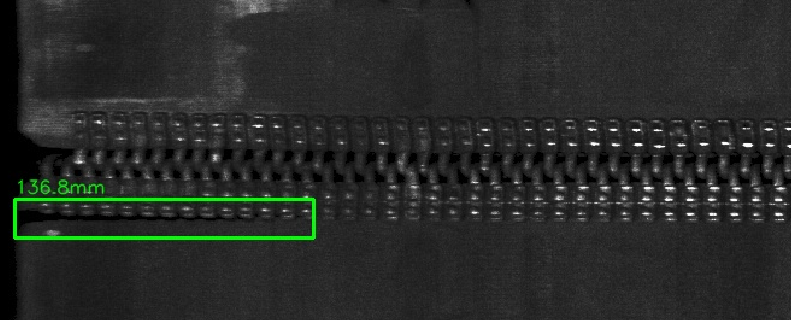
The system analyses each frame and identifies defects using bounding-box annotations and classification logic. The AI models can be custom trained for site-specific belt configurations, clip types and known defect patterns.
This allows the system to detect:
- Belt rips
- Belt tears
- Clip defects
- Damage around joins
- Known defect patterns
- Developing surface damage
3. Severity-Based Alarming
Detected defects are classified by severity, allowing the system to distinguish between normal conditions, warning-level defects and critical issues requiring urgent attention.
The brochure describes a 4-tier severity structure from OK through to Critical, with configurable alerts for operations and maintenance teams.
This helps sites avoid alarm overload while still escalating the defects that matter.
4. Defect Tracking Over Time
One of the key advantages of the system is the ability to track individual defects over time.
Rather than treating each detection as an isolated event, the system can log defects with belt meterage position and compare them across belt revolutions. This supports historical comparison, deterioration trending and improved maintenance decisions.
This is where the system becomes more than just a camera. It becomes a belt condition monitoring platform.
Live Dashboard and Reporting
The Belt Defect Detection System includes a web-based live dashboard for real-time monitoring, event review and historical reporting.
The dashboard can provide:
- Real-time meterage trends
- Defect images
- Event history
- Severity classification
- Defect drill-down
- Historical comparison
- Exportable reports for maintenance planning
This gives maintenance teams a practical way to review belt condition, prioritise repairs and track whether defects are stable, worsening or resolved.
PLC, Citect and SCADA Integration
For industrial systems, detection is only useful if it connects into the way the site already operates.
JMB Automation’s Belt Defect Detection System is designed to integrate with existing PLC, Citect and SCADA infrastructure. This allows alarms, warnings and status information to be routed into existing control systems and operator interfaces.
Typical integration options include:
- PLC alarm outputs
- SCADA alarm display
- Citect integration
- Maintenance dashboard visibility
- Event logging
- Optional interlock logic where required by site standards
This allows the system to support both real-time operational response and longer-term maintenance planning.
Reducing Unplanned Downtime
A minor belt defect can become a major failure if it is not found early.
By continuously monitoring for rips, tears and clip-related damage, the system helps maintenance teams identify issues before they escalate into catastrophic belt failure. The goal is not just to detect damage, but to provide enough warning to schedule repairs in a controlled way.
This can help reduce:
- Unplanned conveyor stoppages
- Emergency belt repairs
- Secondary equipment damage
- Manual inspection burden
- Production interruptions
- Safety exposure around moving conveyors
Improving Safety
Manual belt inspections can expose personnel to hazardous areas, moving equipment and difficult access conditions.
Continuous automated monitoring reduces the need for personnel to inspect belts manually in high-risk areas. The system provides remote visibility of belt condition while the conveyor continues operating.
This supports safer decision-making and helps maintenance teams focus physical inspections where they are actually needed.
Built for Industrial Environments
The system is designed for mining and material handling applications, where reliability and integration matter.
The brochure positions the system as a site-ready solution using industrial vision technology, edge processing and local deployment options. Processing can be performed on an edge or local server, with deployment available locally or server-based depending on site requirements.
The system is intended to be delivered as a full turnkey solution, including configuration, integration and commissioning support.
Turning Belt Data Into Maintenance Decisions
Over time, the system builds a clearer picture of belt condition.
Instead of relying only on isolated inspections, sites can use defect history to understand:
- Which defects are growing
- Which areas of the belt require attention
- Whether repairs are holding
- How quickly defects are deteriorating
- Which clips or joins are causing repeat issues
- When maintenance should be scheduled
This supports condition-based maintenance rather than purely time-based inspections.
Smarter Conveyor Monitoring for Modern Mining
As mining operations continue to adopt machine vision, automation and data-driven maintenance, conveyor belt monitoring is a natural area for improvement.
JMB Automation’s Belt Defect Detection System brings together:
- Industrial vision hardware
- AI defect detection
- Real-time edge processing
- Live dashboarding
- Severity-based alarms
- PLC, Citect and SCADA integration
- Historical defect tracking
The result is a practical monitoring platform designed to improve belt visibility, reduce unplanned downtime and support safer conveyor operation.
Delivering Intelligent Automation
JMB Automation develops intelligent automation platforms that combine PLC control, machine vision, AI and industrial software for mining and material handling operations.
The Belt Defect Detection System is another example of how smart automation can improve operational certainty by detecting problems earlier, supporting better maintenance decisions and helping sites keep critical assets running.

